
Aakshat
Oct 3, 2025
The Tiny Symphony in Your Pocket
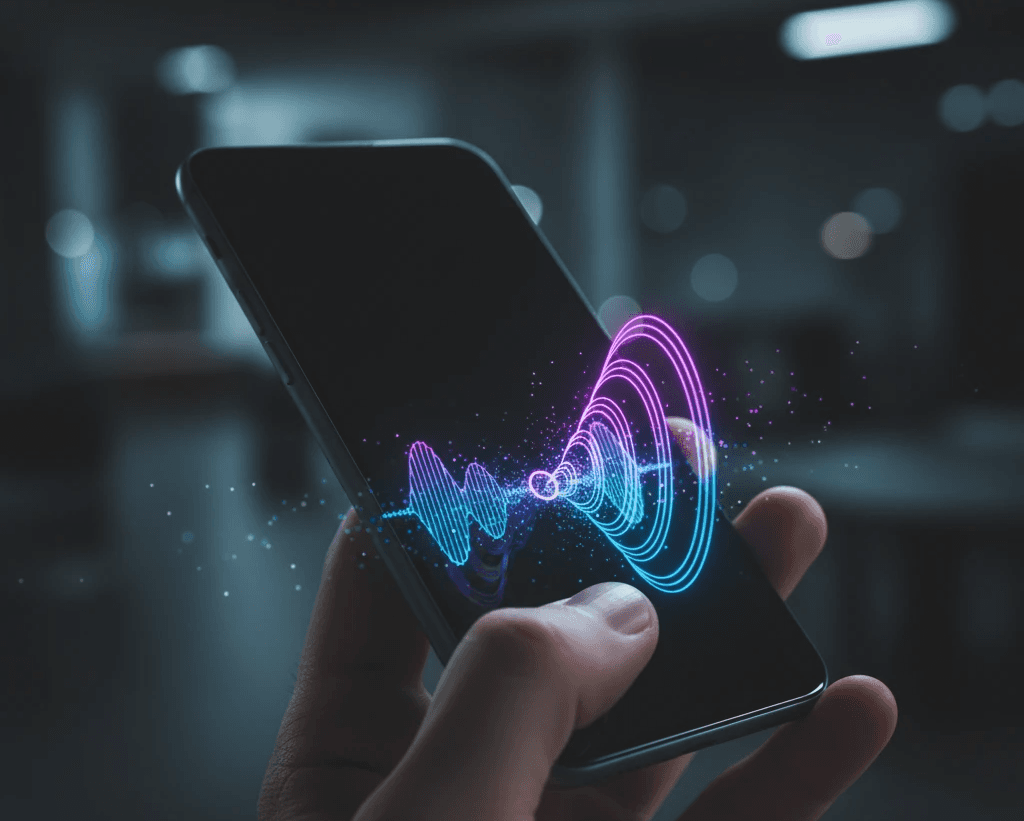
You speak, your phone hears, and suddenly your voice becomes a message, a call, or a recording. But have you ever wondered what your microphone is actually doing behind the scenes? It’s not just “listening” — it’s performing a tiny symphony of physics and electronics to capture your words perfectly.
The Rhythm of Electricity
Every time you plug in your phone or glance at that tiny battery icon, you’re witnessing a performance so precise it borders on magical. Inside your pocket-sized device, trillions of electrons dance in rhythm — a microscopic ballet of energy that keeps everything alive.
Electricity isn’t just power here; it’s choreography. The moment your screen lights up or your message sends, electrons move in carefully arranged patterns across silicon paths, as if guided by an invisible score. As a designer, I often think about how this energy flow shapes the experience — how responsiveness, smooth animations, and instant feedback all depend on this elegant current. We don’t see it, but we feel it in every tap and swipe.
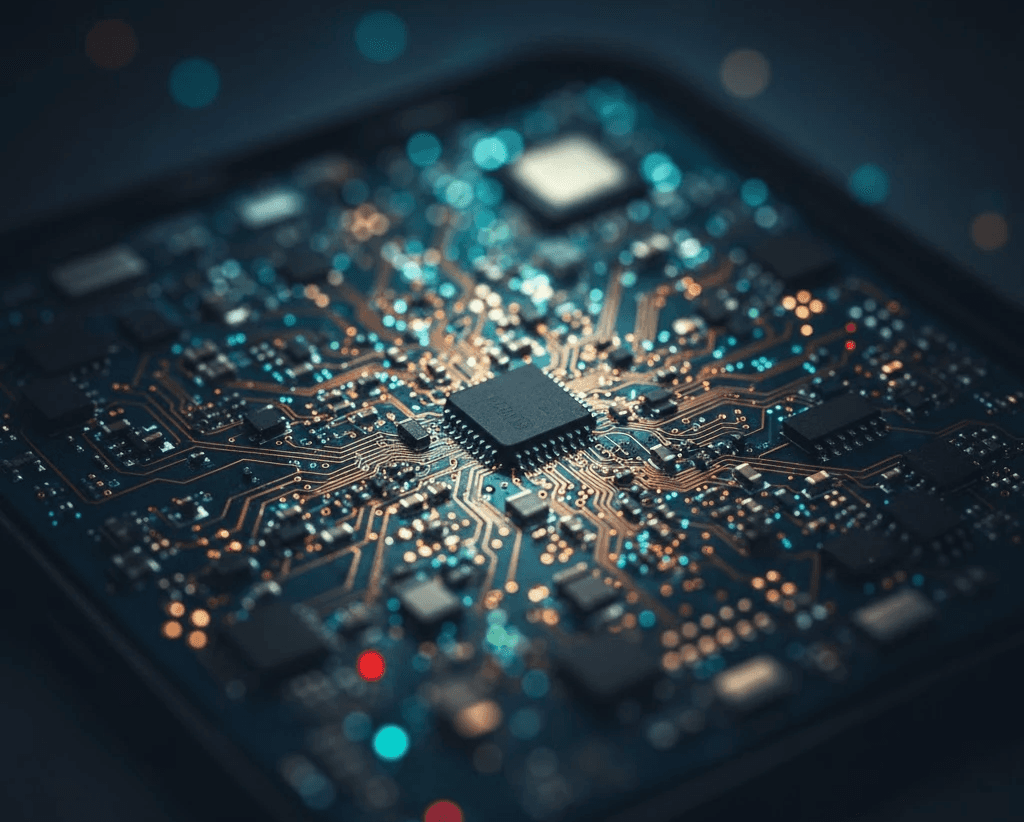
The Maestros – Microprocessors
At the heart of this performance sits the microprocessor — the conductor of the entire show. Every action, from opening your camera to tracking your heartbeat, passes through it. What fascinates me most is how the processor doesn’t just execute instructions; it interprets them, allocating resources like a composer managing an orchestra.
In UX design, we often talk about “flow” — that seamless feeling when interactions feel instant, natural, and frictionless. Behind that flow is the processor’s real-time decision-making, managing millions of processes so that everything feels beautifully simple to the user. The irony is: the simpler it feels on the outside, the more complex the dance inside becomes.

The Strings and Percussion – Circuits and Chips
The circuits are like strings and percussion sections — delivering rhythm and precision. Each connection, etched onto the motherboard, carries electrical pulses that act like beats in a song. But these connections are fragile masterpieces of design; they must balance power, heat, and speed within impossible constraints.
From a UX perspective, this is where performance meets personality. A well-optimized system doesn’t just run faster — it feels smarter. Every millisecond saved in response time translates to human satisfaction. You don’t consciously think, “This interface is fast.” You just smile when it works the moment you touch it.
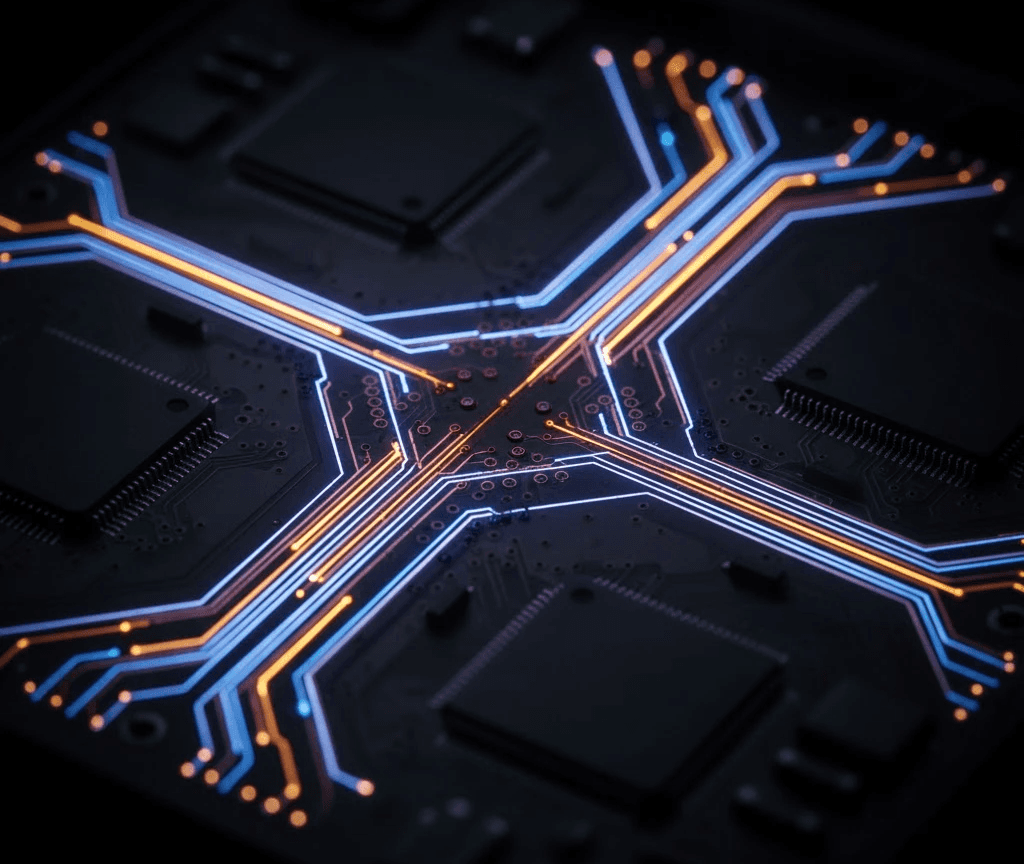
The Harmonies – Software and Hardware in Sync
Hardware is the body, but software is the soul. Together, they form harmony — one responding to the other in real time. When you swipe open a photo, countless signals travel through chips, sensors, and memory modules, synchronizing in perfect tempo so that it feels instant.
As designers, we chase that invisible harmony — when technology vanishes, and the human experience takes center stage. It’s like conducting an orchestra where the audience forgets there are instruments at all. They just feel the music.

The Encore – UX as Emotion
We often forget that the symphony inside your phone isn’t there for the machine — it’s there for you. Every sound, vibration, and animation is designed to make you feel something: comfort, delight, urgency, calm. The circuits don’t just process energy; they translate it into emotion.
That’s the beauty of UX — it transforms machinery into meaning. Beneath the glass and metal, your phone hums a silent song, one you never hear but always experience. It’s not just a device. It’s a living composition of design, physics, and intent — a tiny symphony you carry everywhere you go.