Aakshat
Nov 8, 2025
When Your Own Password Doesn’t Trust You Anymore

The Suggestion That Hit Too Close
I tried signing in.
Typed my password like I’ve done a thousand times.
And the system replied:
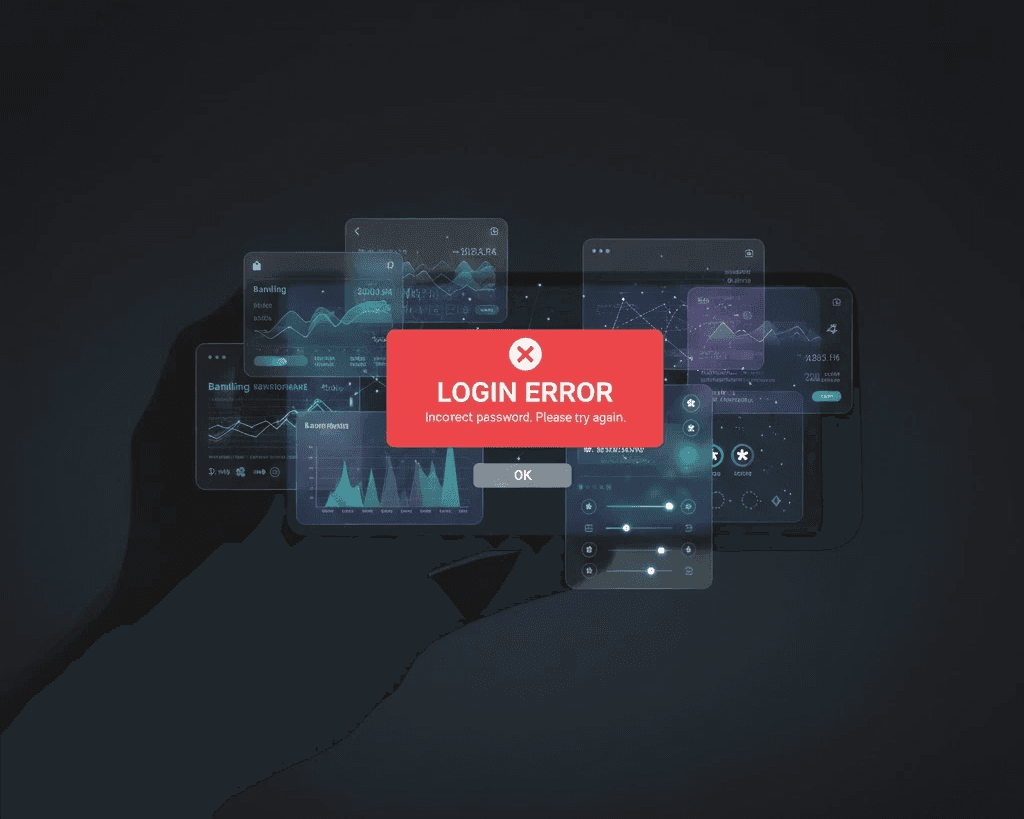
“This doesn’t match what your banking app believes your password should be.”
Believes?
My banking app… believes something?
Turns out, in 2026, authentication systems no longer work alone.
Your password manager, your OS, your banking app, your identity wallet — they cross-verify each other in real time.
They form a small democracy to decide whether you are actually you.
And sometimes?
They disagree.
The Birth of Identity Triangulation
Your digital identity used to be simple:
A password, a PIN, maybe an OTP on a good day.
Now it’s a web of micro-behaviors:
how fast you type
how you hold your phone
your scroll rhythm
your usual login time
even your micro-hesitation before typing a number
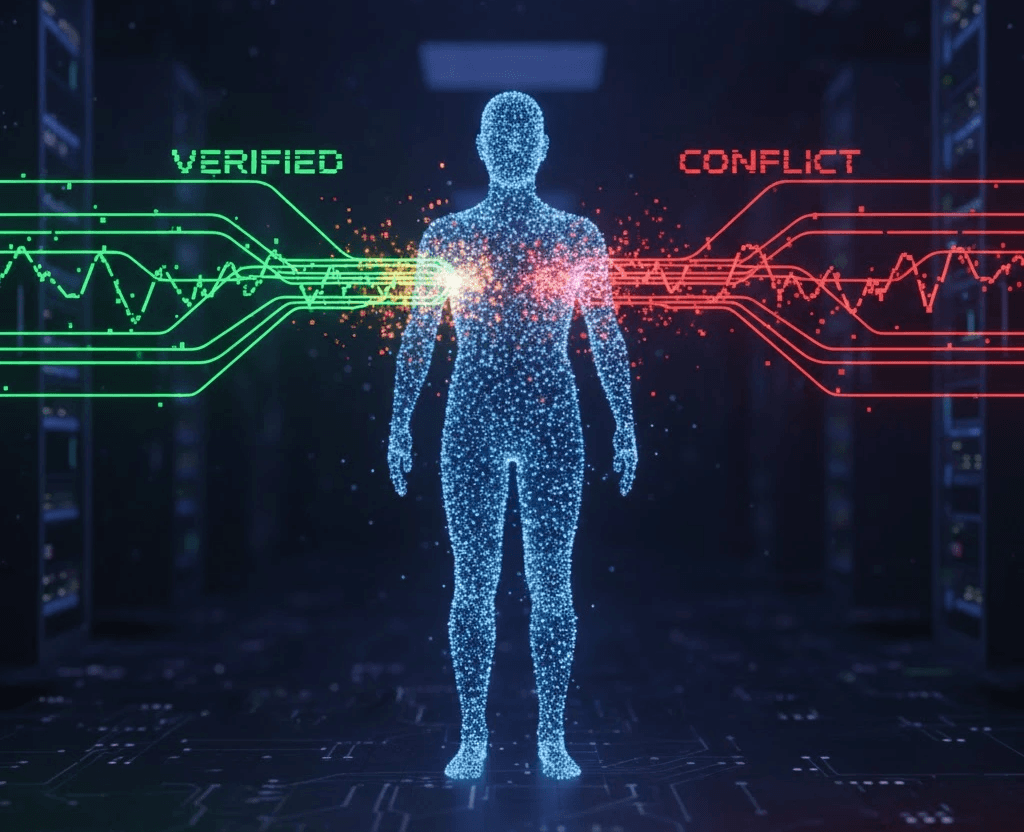
When any system senses something “off,” it asks the others:
“Does this feel like him to you?”
If two out of three disagree…
Welcome to digital purgatory.
The UX No One Prepared Us For
Identity used to be a door.
Now it’s a body language test you didn’t know you were taking.
As a UX designer, I get why this exists —
safety, fraud, protection, context.
But as a user, it’s surreal.
Your own devices stand there, arms crossed, whispering:
“He doesn’t usually type this slowly at 11 PM.”
“His grip angle is off.”
“Reject.”

The Psychological Tax of Being Yourself
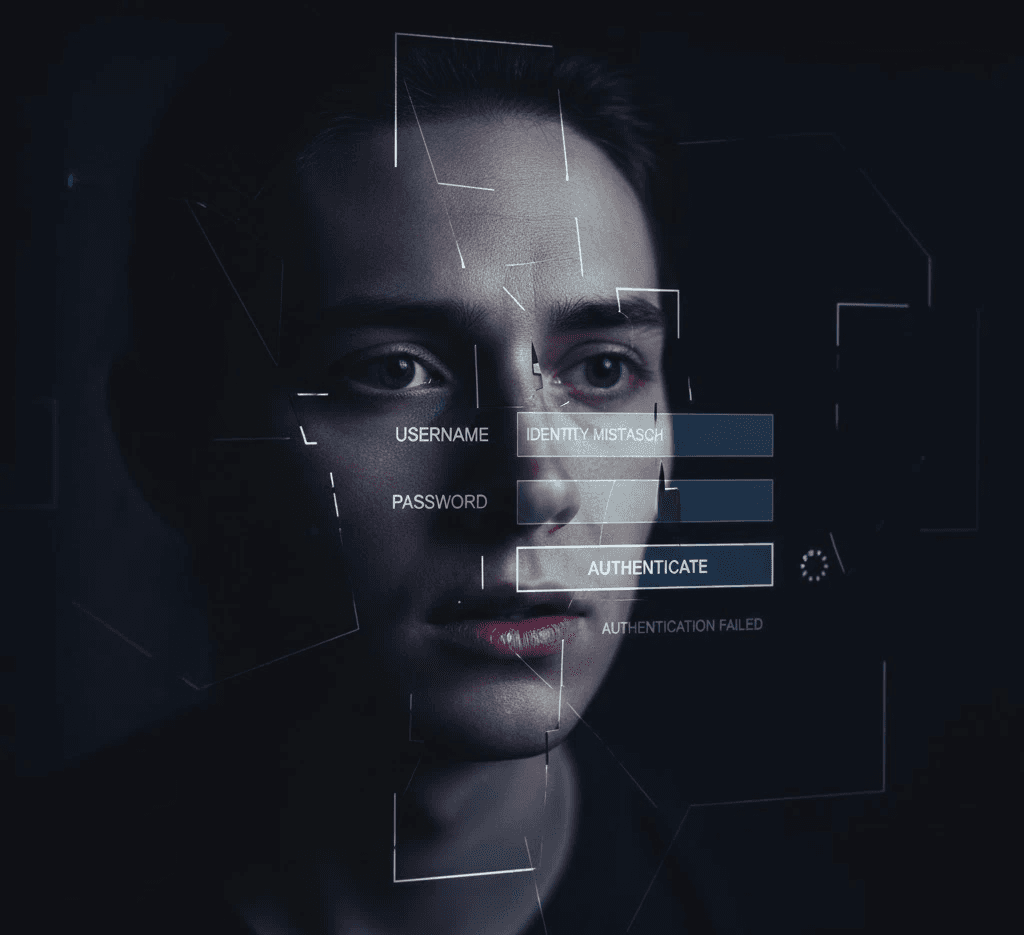
There’s something eerie about failing a test you didn’t even know existed.
You know you’re you.
But your systems — the ones designed to “protect” you — are squinting at your identity like it’s suspicious.
It’s funny until it’s not.
Because the moment your technology doubts you…
you start doubting it back.
Designing for Trust in a Distrustful System
Here’s the truth:
The future of authentication won’t just be secure.
It needs to be kind.
Transparent reassurance.
Soft explanations.
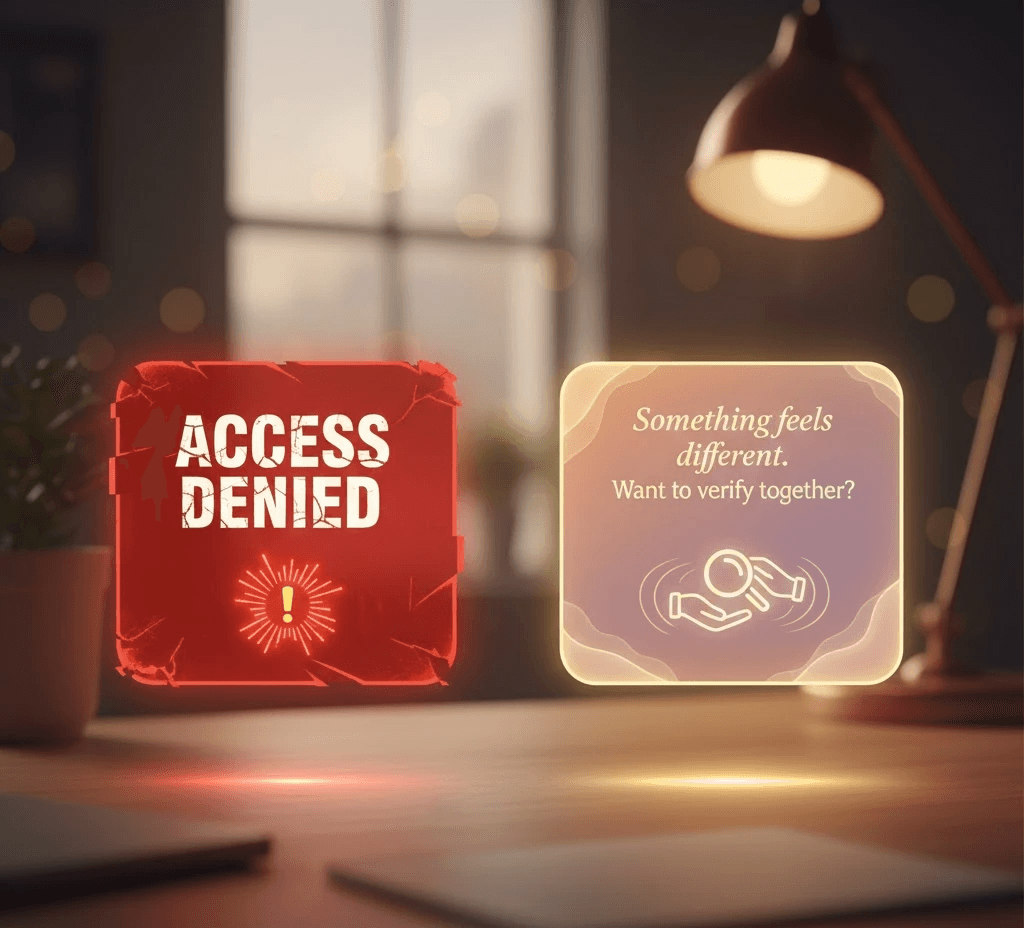
A system that says,
“I know this looks weird — let’s fix it together,”
instead of
“You’re not who you say you are.”
Identity isn’t just data.
It’s dignity.