Aakshat
Nov 10, 2025
We Didn’t Lose Intelligence — We Lost the Habit of Thinking
There’s a strange calm settling over people in 2026.
Not peace.
Not clarity.
Just the absence of inner noise.
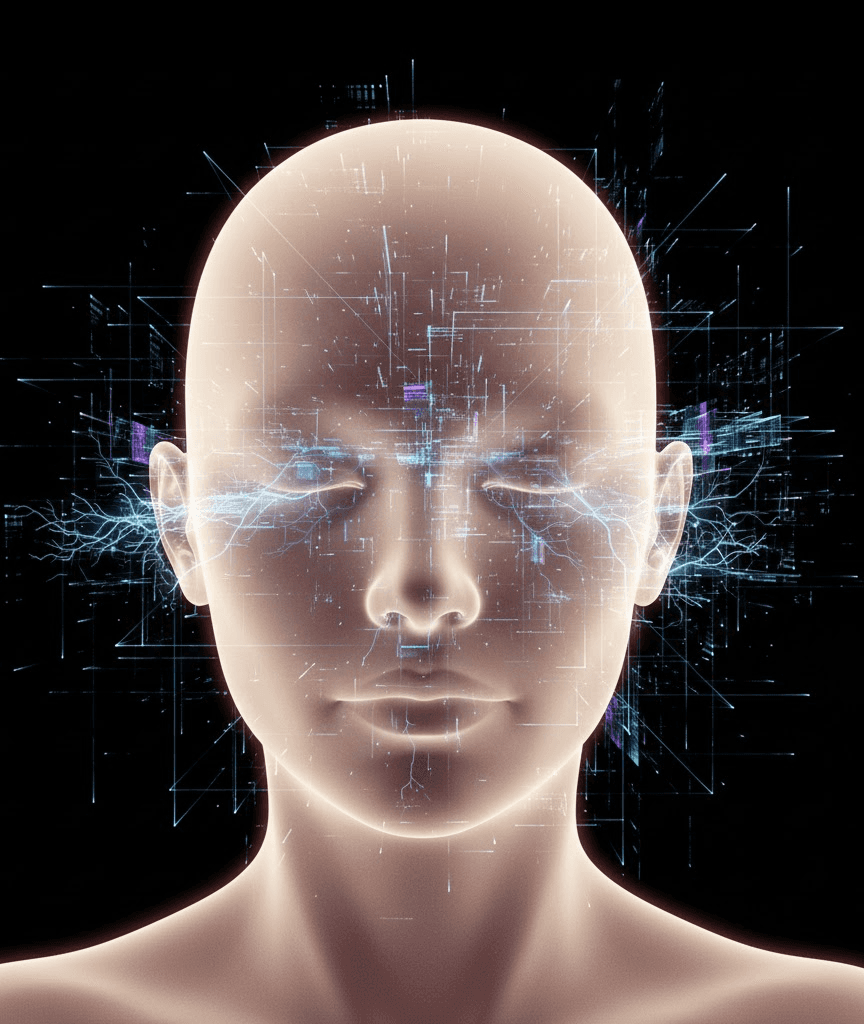
Questions don’t linger as long anymore. Doubt dissolves quickly. Decisions feel lighter than they used to. Most of the time, something else has already decided by the time we arrive.
And what worries me isn’t that AI is smarter than us.
It’s that we’ve stopped needing to think.

Decision-Making Didn’t Disappear — It Was Reassigned
Humans didn’t suddenly become incapable.
Decision-making didn’t collapse. It was outsourced, piece by piece, interaction by interaction.
What should I watch?
What’s the best route?
What should I reply?
What’s the optimal choice here?
At first, these were conveniences. Helpful nudges. Time-savers. But over time, the system stopped nudging and started pre-answering.
The moment you stop practicing judgment, judgment doesn’t argue. It quietly steps aside.

Why the Brain Loves Not Thinking
The brain is efficient, not noble.
Thinking is expensive. It burns energy. It introduces uncertainty. It forces confrontation with ambiguity. When a system offers confidence without effort, the brain accepts it gratefully.
AI doesn’t remove thinking by force.
It removes it by relief.
And relief is seductive.
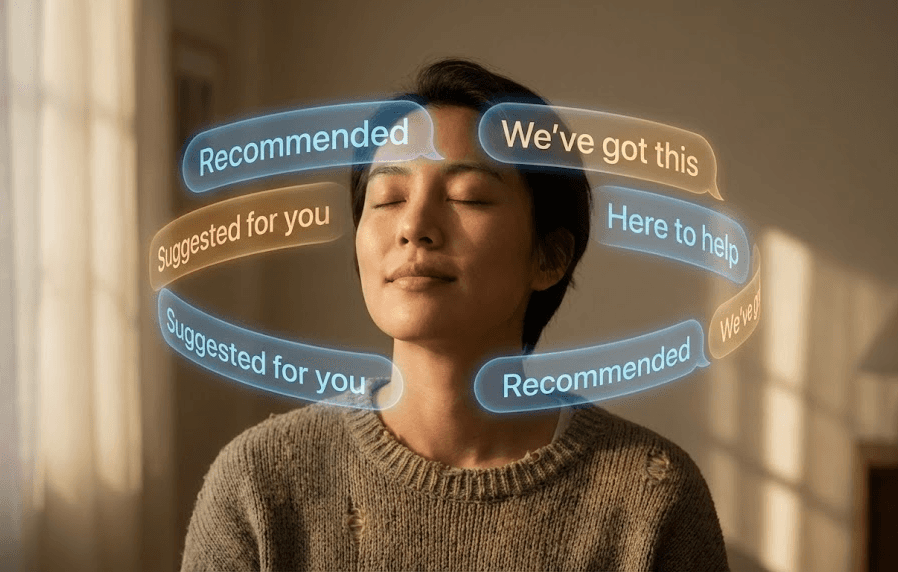
That’s why people don’t feel controlled. They feel supported. They don’t feel replaced. They feel assisted.
The loss isn’t dramatic. It’s ergonomic.

From “I Think” to “It Says”
Listen closely to how people justify choices now.
Not “I felt this was right.”
Not “I thought it through.”
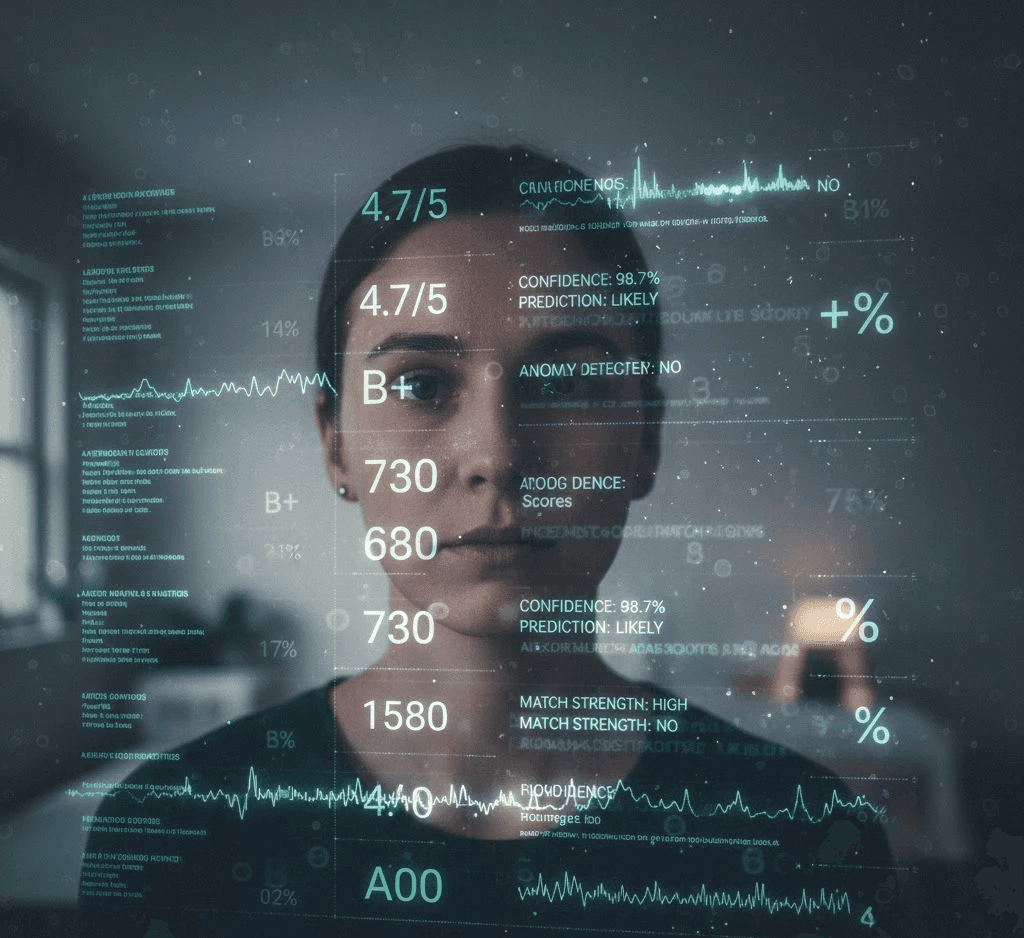
But “The system recommended it.”
“The AI suggested this.”
“This scored higher.”
Authority has shifted. Not because AI is always right, but because AI sounds certain without emotion.
Human thinking is messy. AI judgment is clean. In a tired world, clean wins.
Over time, something subtle happens:
people stop trusting thoughts that don’t arrive with validation.
Thinking Needs Resistance — AI Removes It
Thinking is a friction-based skill.
You sharpen judgment by struggling with uncertainty. You learn discernment by being wrong. You build intuition by sitting with incomplete information.
AI removes resistance beautifully.
It completes sentences before hesitation forms. It resolves ambiguity before curiosity wakes up. It gives answers before questions finish assembling.
And the brain adapts exactly as designed.
When resistance disappears, initiative weakens.
The Psychological Shift No One Is Naming
People aren’t dumber.
They’re quieter inside.
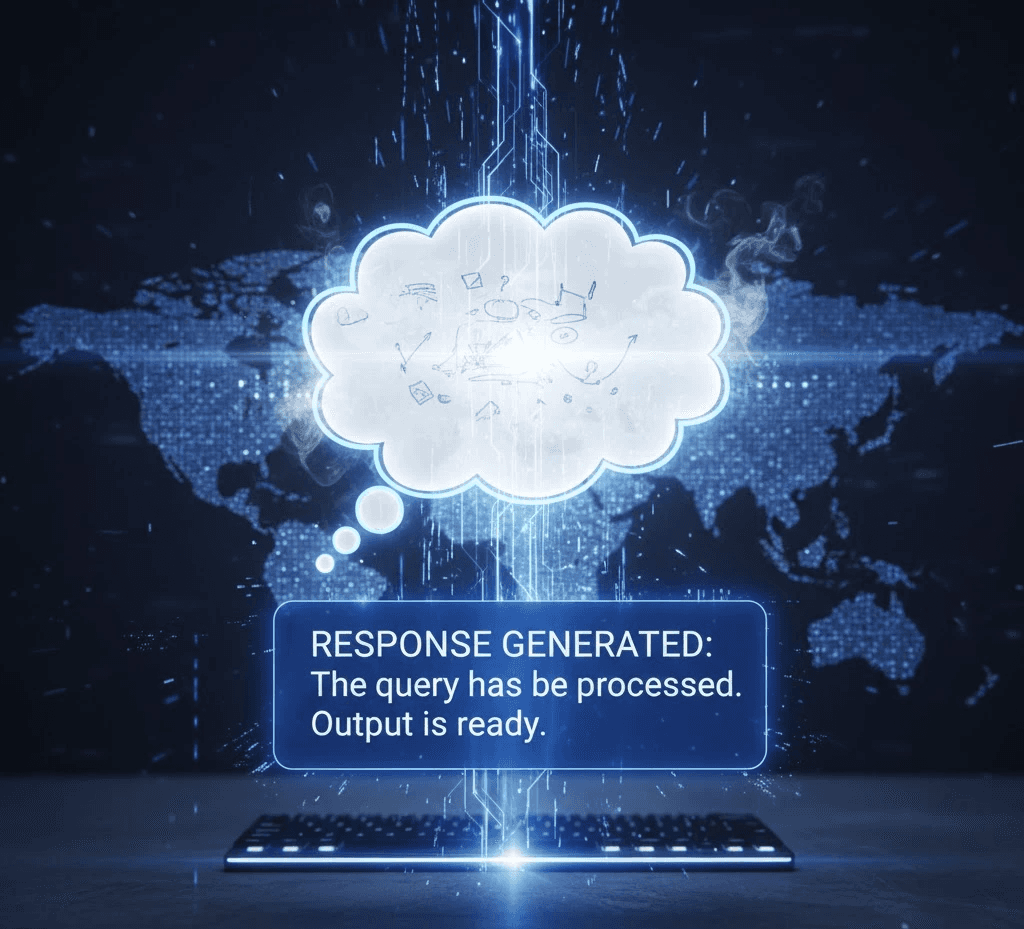
There’s less internal dialogue. Less wrestling. Less asking, “What do I think?” Because the answer is usually waiting, polished and pre-approved.
When systems go offline, something strange happens. Not panic. Not confusion.
Discomfort.
Silence feels heavier than it used to. Open-endedness feels unsafe. The absence of guidance feels like standing without a railing.
That’s not dependency in the dramatic sense.
That’s atrophy.
Design Didn’t Kill Thinking — It Made It Optional
This wasn’t malicious. It was praised.
Design teams optimized for speed, clarity, confidence, reduced cognitive load. Every improvement was logical. Every decision defensible.
But together, they created an environment where thinking became unnecessary to function.
And skills that aren’t necessary don’t disappear loudly. They fade quietly.
The most dangerous designs aren’t the ones that fail.
They’re the ones that work so well you stop noticing what you no longer do.

What Happens to Humans Who Don’t Practice Judgment
Judgment is not intelligence.
It’s a habit.
If humans stop exercising it daily, it doesn’t vanish overnight. It weakens slowly. People become excellent at approval and poor at initiation. Comfortable following. Hesitant starting.
In a world where machines think continuously, humans are slowly trained to wait.
Not because they’re incapable.
Because nothing requires them not to.

The Question Design Has to Face in 2026
The real ethical question isn’t “Is AI too powerful?”
It’s “Are humans still being trained to think?”
If intelligence becomes ambient and judgment becomes infrastructural, what remains uniquely human isn’t creativity or emotion.
It’s choosing without permission.
And that’s the muscle we’re quietly letting weaken.