Aakshat
Nov 9, 2025
Comfort Is the Most Aggressive Interface We’ve Ever Designed
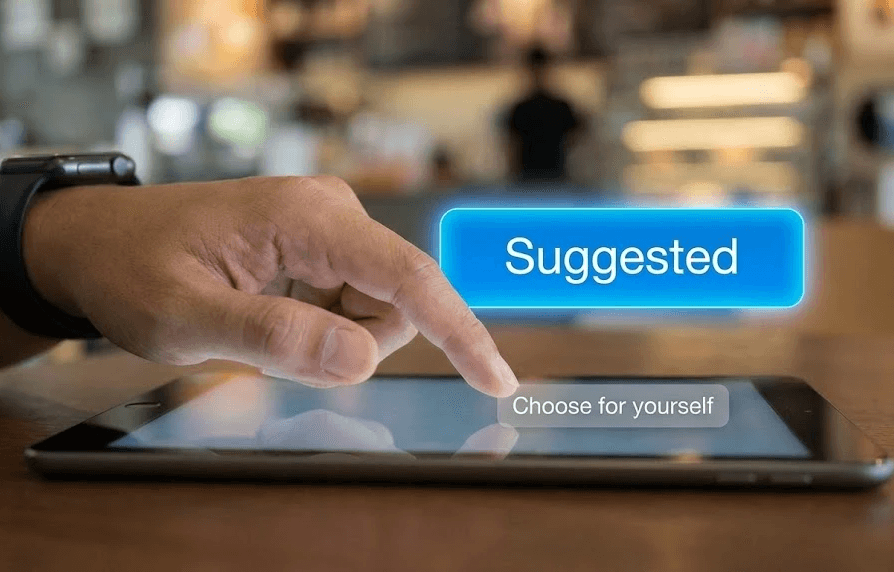
I don’t think comfort was ever meant to be dangerous.
It entered design as empathy. As a way to reduce friction, to make technology feel less hostile, less demanding. Somewhere along the way, comfort stopped being supportive and quietly became persuasive.
What unsettles me in 2026 isn’t how intelligent systems have become. It’s how effortlessly they’ve learned to keep us from needing ourselves.
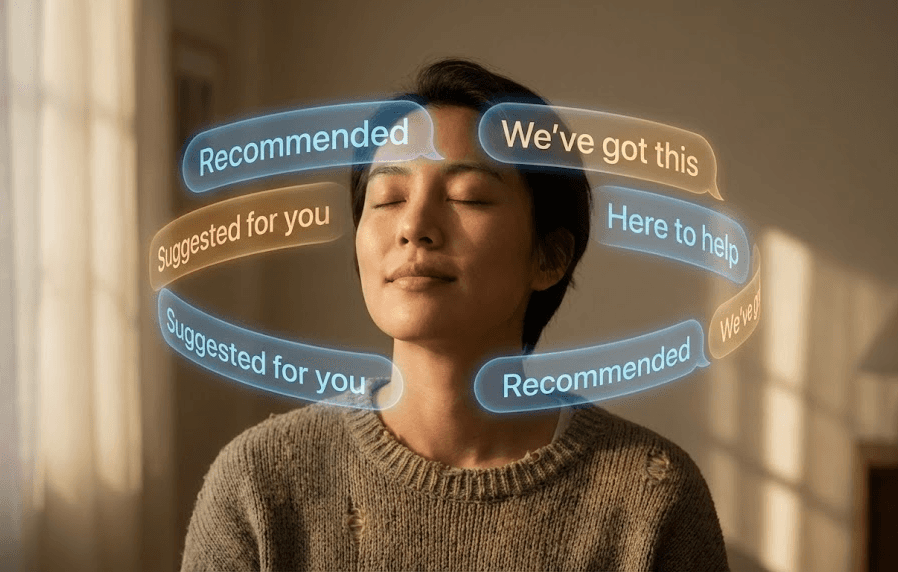
You open an app and something is already playing. You glance at a screen and the route is already chosen. You hesitate for half a second and the interface fills that silence for you. Nothing feels forced. Nothing feels wrong. That’s exactly why it works.
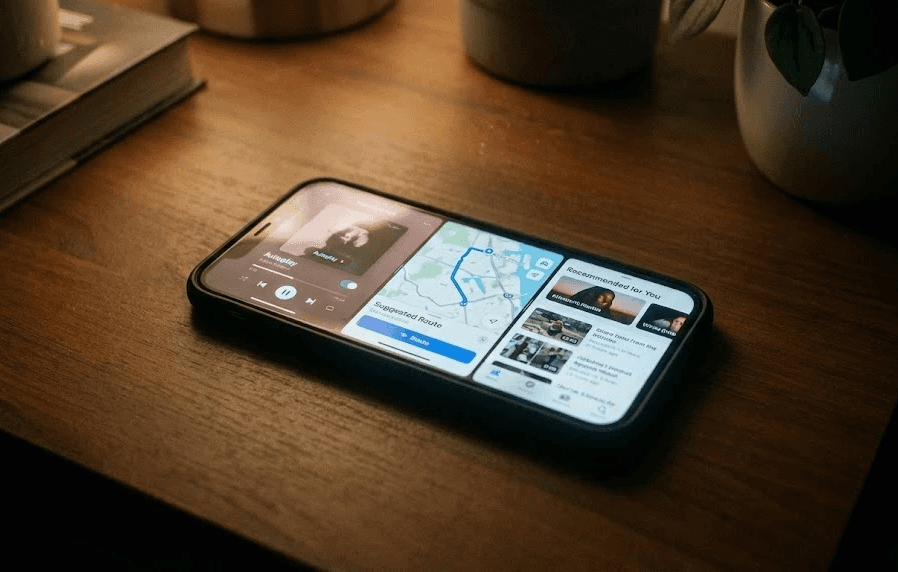
When Ease Quietly Replaces Engagement
There was a time when using software meant deciding. You scanned options, compared, paused, sometimes changed your mind mid-way. Those moments felt inefficient, but they were deeply human.
Today, most interfaces are designed to prevent that pause from ever happening.
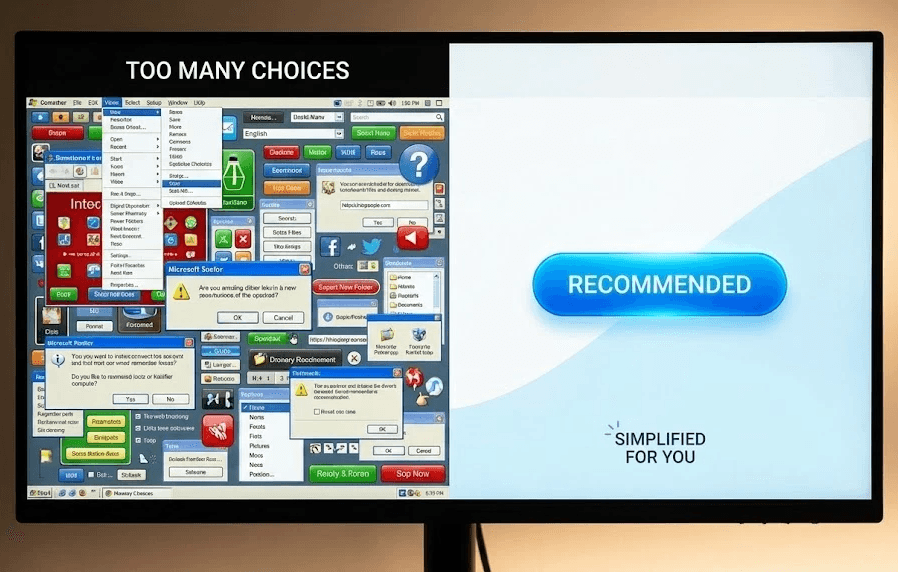
Design reviews celebrate how quickly users complete tasks. The fewer taps, the better. The fewer decisions, the cleaner the experience. Efficiency has become the highest compliment an interface can receive.
Psychologically, effort isn’t just a cost. It’s participation. When an interface removes the need to engage, it doesn’t just save time. It removes presence. You’re still there, but less involved. Less practiced. Less awake.
The Human Brain Wasn’t Built for Constant Assistance
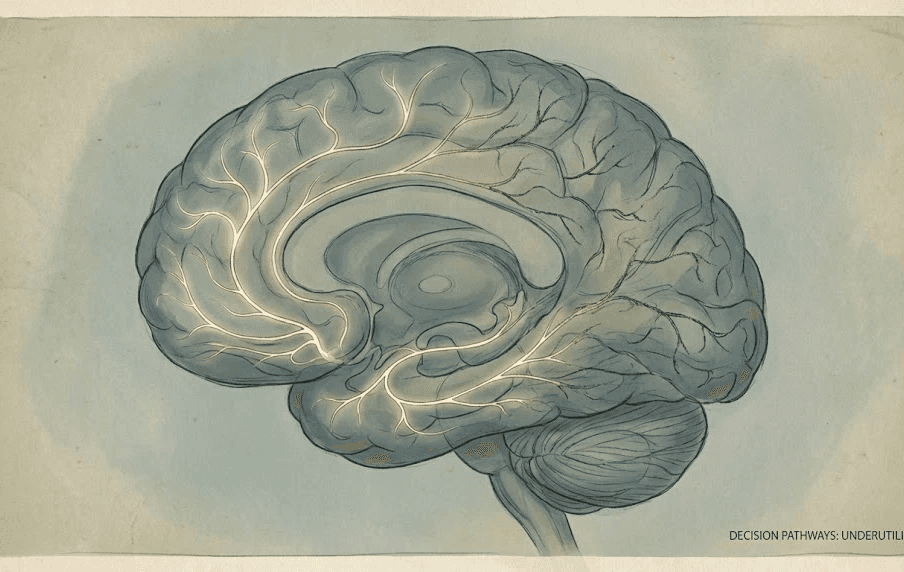
The brain adapts brutally well.
When we stop doing something, it doesn’t complain. It reallocates. Decision-making, intuition, self-trust — these aren’t fixed traits. They’re maintained through use.
In 2026, cognitive offloading isn’t occasional. It’s ambient.
We don’t remember numbers because devices do. We don’t navigate because maps do. We don’t decide what to watch, read, or listen to because something else already knows what we’ll probably want.
At some point, “probably” becomes “always.”
And when that happens, we’re not delegating tasks anymore. We’re delegating judgment.
Why Comfort Builds Trust Faster Than Truth
Accuracy convinces the mind. Comfort convinces the nervous system.
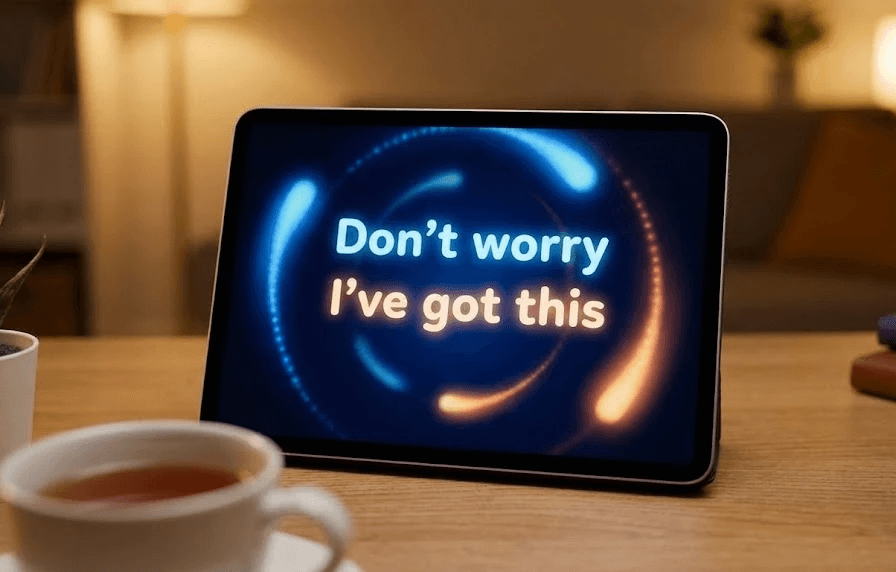
That’s why interfaces that feel calm and reassuring earn trust faster than ones that are merely correct. A soft animation, a gentle line of copy, a system that never rushes or contradicts you — these things bypass skepticism.
From a UX perspective, this is powerful. From a psychological perspective, it’s intimate.
When people are anxious or tired, they don’t want optimal choices. They want relief. Interfaces that provide that relief become emotionally dependable. Not addictive in the obvious sense — reliable in a way that feels safe.
Design didn’t set out to manipulate. It set out to soothe. But soothing is not neutral.
We’re No Longer Designing Screens — We’re Designing Emotional Environments
An interface used to be something you looked at. Now it’s something you inhabit.
Color systems regulate mood. Motion design signals safety. Microcopy shapes how failure feels. Recommendation engines reduce uncertainty by narrowing possibility.
Together, these decisions don’t just guide behavior. They create an emotional climate.
And like any climate, the longer you stay in it, the more it shapes you.
In an endlessly supportive environment, discomfort feels foreign. Ambiguity feels unnecessary. Effort feels optional.
That’s not accidental. That’s designed.

The Cost of Never Having to Push Back
Human confidence doesn’t come from being right all the time. It comes from choosing, adjusting, and recovering.
When interfaces remove the need to struggle — even gently — they also remove the opportunity to build resilience.
Nothing dramatic breaks. No alarms go off. The shift is quiet.
People become less decisive. More reliant on suggestions. Slightly uneasy when guidance disappears. When the system doesn’t answer, discomfort rushes in.
That discomfort isn’t weakness. It’s unfamiliarity.

Why Ethical Design in 2026 Is About Protecting Friction
The answer isn’t to make experiences harder for the sake of it. It’s to be intentional about what we remove and what we preserve.
Some friction is cognitive nutrition. Some pauses are necessary. Some uncertainty is where agency lives.
Design in 2026 has to move beyond “Can we make this easier?” and start asking, “What happens to the human if we do?”
Because comfort, when over-designed, doesn’t feel like control being taken away.
It feels like relief.
And relief is the easiest thing in the world to accept without noticing what it replaces.